Are you looking for the perfect pool cue but aren’t sure where to start? Well you’ve come to the right place because, at PoolDawg, we’ve been helping pool players find the perfect cue to match their game and budget since 2004. It’s what we do and we will help you too!
Choosing a pool cue can be a confusing process if you don't know what you're looking for. That’s why we've developed this ULTIMATE Pool Cue Buying Guide to help you learn everything that you need to know so you can buy the cue that's right for you.
We have a list of the most frequently asked questions about pool cues below broken down into three categories: Pool Cue Buying Basics, Pool Cue Specifications Explained and More Helpful Pool Cue Information. Just click on the question below that fits the type of information you're looking for and you'll be taken to that answer. Or you can scroll down this whole page to learn it all!
One of the first things we tell our customers that are new to the game is that they don't need to go and spend hundreds of dollars for their first pool cue. Players new to the game of billiards should be looking for a basic cue with a hit that they're comfortable with. For some this will be a firm hit, for others it will be a fluid hit. It all depends on the player's personal preference.
Possibly one of the biggest features to look at when buying your first cue is the type of shaft that comes with the cue. There are different types of shafts for different reasons and depending on your needs or preferences you’ll want to really consider what type of shaft comes with your cue. However, for beginners a maple wood shaft is ideal.
In this video/article, Florian "Venom" Kohler explains the differences between house cues, standard two-piece cues, and top performance cues by breaking down the impact they can have on your game. Whether you just like to knock balls around for fun, are dedicated to improving, or you're an expert that can't have your equipment holding you back, there's a pool cue with the perfect balance of quality and price to match your commitment to the wonderful ways of billiards.
There are many purchases in your life that require a substantial amount of research prior to making a final decision. This process can be tedious and overwhelming, almost enough to make any power-shopper throw in the towel. Buying a new pool cue does not have to be one of those items.
Whether you're choosing a cue for yourself or as a gift for someone, here are five key things to keep in mind that will aid in your endeavor.
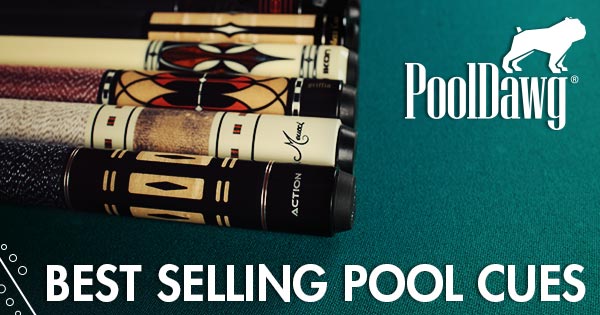
When you visit a website with literally hundreds of pool cue options, the choices can be overwhelming. We totally understand that. For that very reason, we've created a list of our Best Selling Pool Cues just for you. We were going to do a Top 10 Pool Cues list, but we just couldn't stop at ten. Here are our Top 15 instead! Plus, since we always LOVE to sweeten the deal...keep scrolling for the bonus Top 5 Break Cues too.
If any of these pool cue options tickle your fancy and you want to see more like it, be sure to look for others in the line by navigating through the pool cues by brand page. We have over 40 pool cue brands and hundreds of models to choose from.
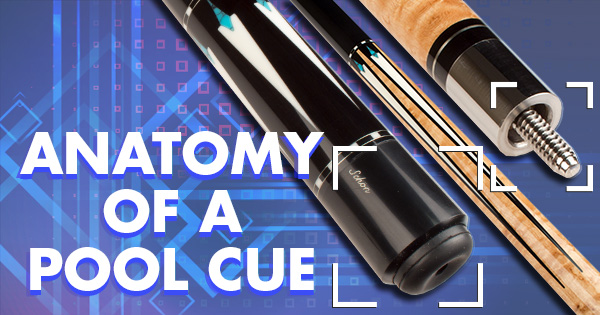
Have you ever wondered about the difference between inlays or points? What about the difference between the collar and the rings on a pool cue? PoolDawg.com is proud to present the Anatomy of a Pool Cue.
Sometimes our product specifications and descriptions can be a bit "jargony". This page will give you the basics of a pool cue, breaking out the 13 primary components of the pool cue from the pool cue tip to the bumper. Essential information for any pool player whether you're new to the game or a seasoned vet and a must read before purchasing a new pool cue.
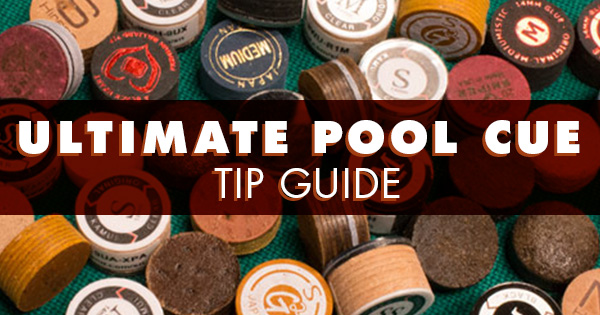
Ever since Captain Francois Mingaud developed the first leather pool cue tip in France in 1807, pool and billiards players have been trying to decide which tip is best for them. The options back then were very limited, but today we have dozens of choices when it comes to tips. In this article, we discuss the different types and hardness options for pool cue tips and give you the insight to make the right choice for you, and your game.
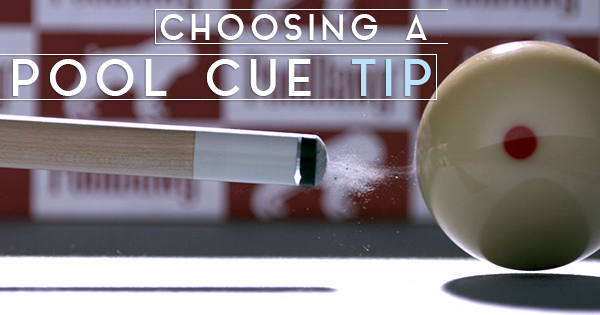
It is widely known that most of the performance of a pool cue lies in the shaft and the first six inches are especially important. At the very end of this most important area is the pool cue tip. This is where “the rubber hits the road” so to speak. The pool cue tip is where the energy from your pool cue is transferred to the cue ball (with a little help from chalk) to create the desired results of accuracy, speed and spin. Because of how much effect a tip can have on your game, it is important to choose the right one.
At PoolDawg.com, we offer one of the widest selections of pool cue tips with over 25 different brands featuring multiple styles and hardness options. Feeling overwhelmed? Fear not, we are here to help!
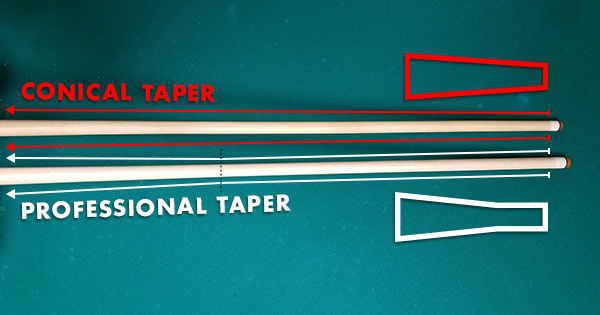
"Does the taper of a cue shaft make any difference in the cue's performance?"
In a word, YES. While I am definitely not an expert on this subject, I can give some general information. Beyond that lies a murky world of cue-making secrets. Top custom cue builders typically develop their own "signature" tapers. There are many claims about the "quality of the hit" with various tapers. Arguments about taper have been underway for decades.
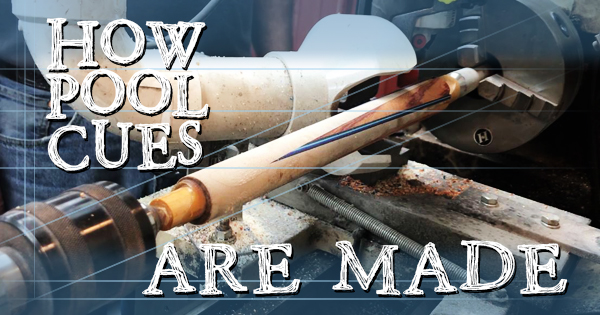
Pool cues come in a large variety of designs, styles, and price points. From inexpensive, mass produced cues to one-of-a-kind custom cues that can cost thousands of dollars. The large disparity in price comes from the materials used and how the pool cue was constructed.
Cues with elaborate designs and relatively low prices likely have a solid maple core with a decal (fancy sticker) over the top. The real works-of-art, though, are the pool cues that have real points and inlays built in. Making a custom pool cue with those sorts of traditional adornments takes a ton of skill, the right equipment, and years of experience. In this article, we will explain some of the most popular cue construction methods and what they mean to the pool player.
There are really four categories of how pool cues points are constructed. Full Splice, Half Splice, Inlaid or decal. These four methods have been around for a long time and represent the entire spectrum of cue building.
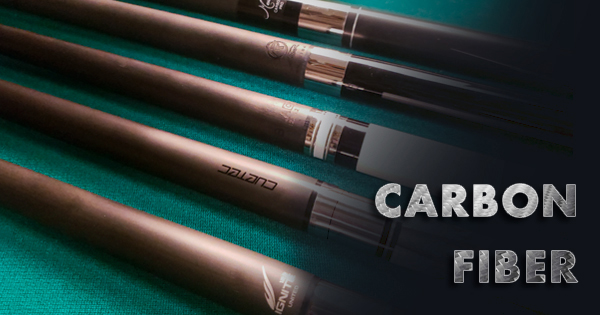
Carbon fiber pool cue shafts have changed the billiard world like no other product in recent history. Through years of research and development, top pool cue manufacturers have discovered new ways to leverage the light-weight strength of carbon fiber to build shafts that are not only tough and durable but also flex where they need to for optimal spin and feel.
The carbon fiber pool cue movement is not a gimmicky marketing fallacy. These products represent the best-of-the-best and are universally adopted by the world’s top players and professionals including John “Mr. 626” Schmidt who was able to best Willie Mosconi’s straight pool high run (held for over 65 years) with his carbon fiber shaft.
Today we are going to discuss a sometimes overlooked, but very important piece of equipment that every pool player should have -- a break cue. There’s a wide variety of break cues on the market today, and it can be hard to know what makes them different. We’re going to talk about the attributes that you need to know about to purchase the best break cue.
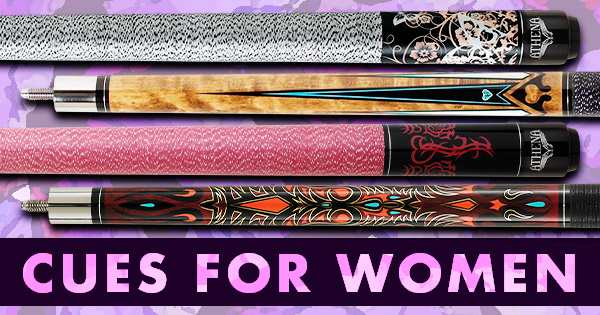
In 2004, the Athena line of pool cues emerged out into the world. Athena cues are made exclusively for women and feature a slightly thinner 12.5mm shaft that's perfect for smaller hands and the length is a total of 57 inches. Each pool cue includes a free 10" extension that easily screws into the base of the cue. The extension provides the ladies extra reach without all the hassles of table leaning or using a bridge. Athena pool cues come in a variety of designs including butterflies, flowers and hearts as well as zebra and leopard prints. All Athena cues include a 1 year manufacturer's warranty.
The Sneaky Pete or Hustler style cue is the oldest and most traditional design for a two piece pool cue. The original concept for the Sneaky Pete was to create a cue that would look like a standard bar cue when assembled. That way, if a pool hustler was using a high end cue, his opponents would see his cue and just assume it was a bar cue.
I think I need a pool cue case. Which one should I buy?
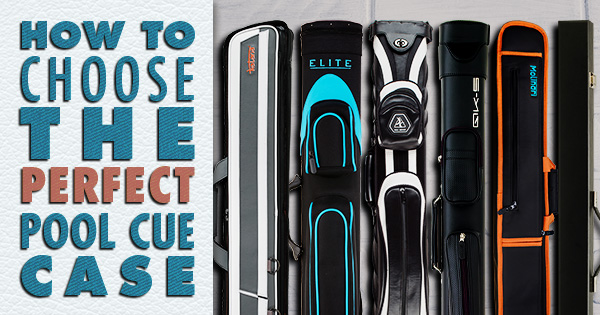
If you have your own pool cues but enjoy playing billiards at a pool hall, you should be using a pool cue case. These cases aren't just for professionals, either. A quality pool case will protect your cue(s) whether you're a casual pool player or someone that participates in tournaments on weekends. They'll also give you that feeling of being a pro as you put your cue together at the table.
Here at PoolDawg, we carry a wide range of affordable billiard cue cases from some of the most respected brands in the industry, including Action, Porper, and Instroke, to name just a few. These cases come in small sizes (which carry a single butt and shaft) and large sizes (up to three butts and seven shafts). We have a case for every type of player at all skill levels.
If you prefer more personalized advice for purchasing a cue, call us toll free at 1-866-843-3294. Our on staff experts are available Monday through Friday from 8:30AM - 5:00PM MST and will help you find the cue that's right for you!
 Are you looking for the perfect pool cue but aren’t sure where to start? Well you’ve come to the right place because, at PoolDawg, we’ve been helping pool players find the perfect cue to match their game and budget since 2004. It’s what we do and we will help you too!
Choosing a pool cue can be a confusing process if you don't know what you're looking for. That’s why we've developed this ULTIMATE Pool Cue Buying Guide to help you learn everything that you need to know so you can buy the cue that's right for you.
We have a list of the most frequently asked questions about pool cues below broken down into three categories: Pool Cue Buying Basics, Pool Cue Specifications Explained and More Helpful Pool Cue Information. Just click on the question below that fits the type of information you're looking for and you'll be taken to that answer. Or you can scroll down this whole page to learn it all!